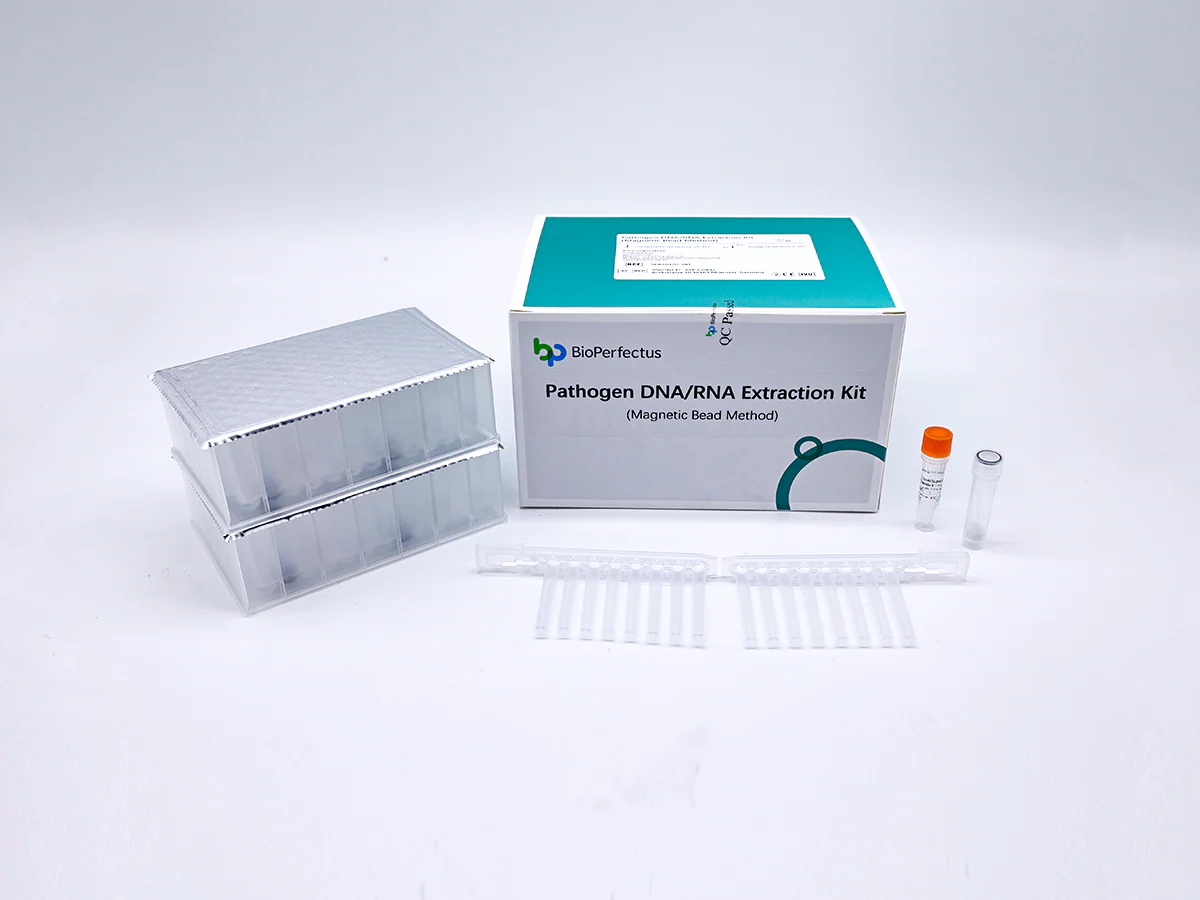
Molecular biology relies heavily on the quality of genetic material isolated from biological samples. BPLabLine provides advanced solutions for this critical step, ensuring that researchers can choose between traditional and modern workflows. While both methods aim to isolate pure genetic material, the technical execution and efficiency vary significantly. They offer a range of products designed to optimize nucleic acid extraction and automated nucleic acid extraction for diverse laboratory environments.
Technical Complexity of Handheld Procedures
Manual nucleic acid extraction typically involves a series of labor-intensive steps including cell lysis, binding, washing, and elution. This method often utilizes spin columns or magnetic beads that require constant human intervention for pipetting and centrifugation. Because each step is performed by a technician, the risk of human-induced variability remains a concern. They observe that while this approach is accessible for small-scale projects, it demands meticulous attention to detail to prevent cross-contamination and ensure a high recovery rate of 90% or more.
Efficiency of Robotic Systems
In contrast, automated nucleic acid extraction utilizes programmable instruments to handle liquid processing with high precision. Systems like the SSNP-2000B use magnetic bead technology to capture DNA and RNA in a closed environment, which reduces the chance of environmental exposure. This automated nucleic acid extraction process can complete 32 samples in as little as 13.5-45 minutes. By using prefilled reagents, they allow laboratories to maintain a consistent CV of less than 2%, providing a level of repeatability that is difficult to achieve through manual efforts alone.
Resource Allocation and Throughput
The choice between these two methods often depends on the required throughput and available manpower. Manual nucleic acid extraction is often preferred in resource-limited settings where the initial investment in equipment is not feasible. However, an automated nucleic acid extraction system significantly reduces labor costs by minimizing hands-on time. They provide kits like the Viral Nucleic Acid Kit which are compatible with both formats, allowing users to scale their operations as their sample volume increases from a few tubes to 96-well plates.
Effective purification is the cornerstone of successful downstream applications like qPCR or NGS. BPLabLine remains dedicated to supporting these workflows by offering reliable reagents and hardware. Whether a laboratory utilizes manual nucleic acid extraction for its flexibility or adopts automated nucleic acid extraction for its speed, the goal is always to obtain the highest quality templates for scientific analysis.
