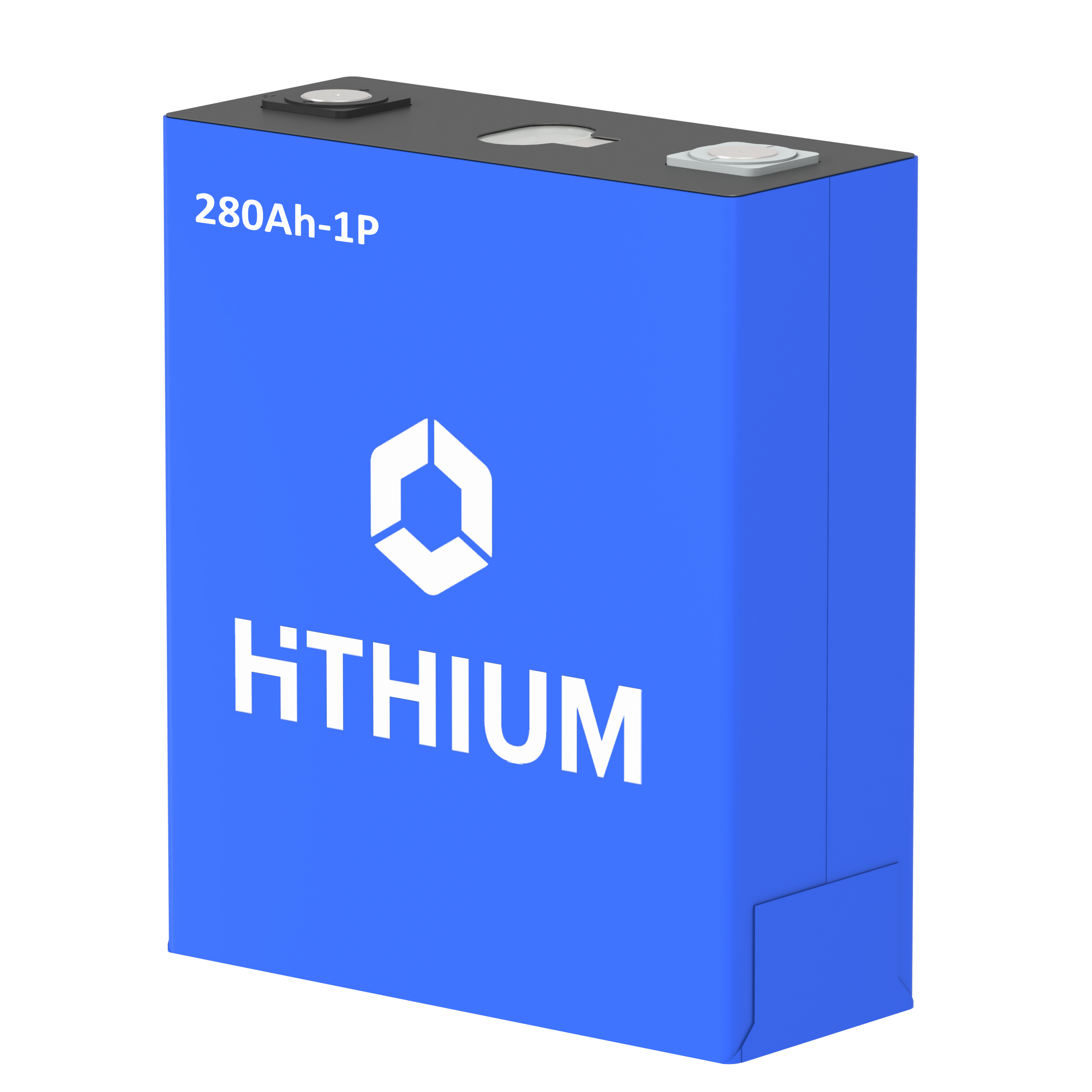
As global power systems transition toward higher efficiency and increased reliance on renewable energy, advanced storage solutions are becoming a critical enabler of grid stability and operational flexibility. Within this landscape, lithium battery technology continues to evolve, not only in terms of electrochemical performance but also in manufacturing scalability and cost structure. The emergence of HiTHIUM energy storage technology reflects a broader industry trend toward integrating innovation across materials, cell design, and production processes. Companies such as HiTHIUM are advancing these capabilities to meet the growing demand for reliable, large-scale energy storage systems.
Breakthroughs in Cell Design and Performance Optimization
One of the defining characteristics of modern lithium battery technology is the shift toward higher energy density and reduced system costs through innovations in cell architecture. Ultra-thick electrode technology represents a key advancement in this area. By leveraging synergistic optimization of gradient electrode structures and anode/cathode formulations, this approach addresses both manufacturing challenges and performance limitations traditionally associated with thicker electrodes.
The application of this technology in high-capacity cells, such as the ∞Cell 1300Ah, demonstrates its practical impact. Compared to conventional 314Ah batteries, significantly increased electrode thickness reduces the reliance on auxiliary materials such as current collector foils, resulting in cost reductions exceeding 50% for certain power components. This improvement enhances the economic viability of large-scale storage deployments while maintaining stable electrochemical performance.
For energy system developers and operators, these advancements in HiTHIUM energy storage technology contribute to more efficient system design, enabling higher capacity installations with optimized footprint and cost structure.
Smart Manufacturing and Industrial-Scale Efficiency
Beyond cell design, the evolution of lithium battery technology is increasingly defined by advancements in manufacturing systems. HiTHIUM’s fourth-generation high-efficiency production line integrates technologies such as Manufacturing Execution Systems (MES), 5G connectivity, and artificial intelligence. This integrated approach enables real-time monitoring, predictive quality control, and enhanced process coordination across the production lifecycle.
Compared to earlier production models, these innovations have led to a 30% increase in production efficiency, a 26% improvement in automation levels, and a 25% reduction in manufacturing costs. Such gains are not merely incremental; they reflect a shift toward fully digitalized and scalable battery manufacturing.
The vertically integrated structure of HiTHIUM energy storage technology further strengthens product consistency and supply chain reliability. For large-scale energy storage projects, this translates into improved delivery timelines, consistent product quality, and enhanced overall project bankability.
Building a Scalable and Cost-Efficient Energy Future
The advancement of lithium battery technology is playing a central role in shaping the future of power systems. Through innovations in ultra-thick electrode design and intelligent manufacturing, HiTHIUM energy storage technology is addressing key industry challenges related to cost, scalability, and operational reliability.
As demonstrated by companies like HiTHIUM, the integration of material science breakthroughs with digitalized production systems is enabling energy storage solutions that are both economically and technically viable at scale. These developments are laying a solid foundation for the continued expansion of renewable energy and the modernization of global power infrastructure.
