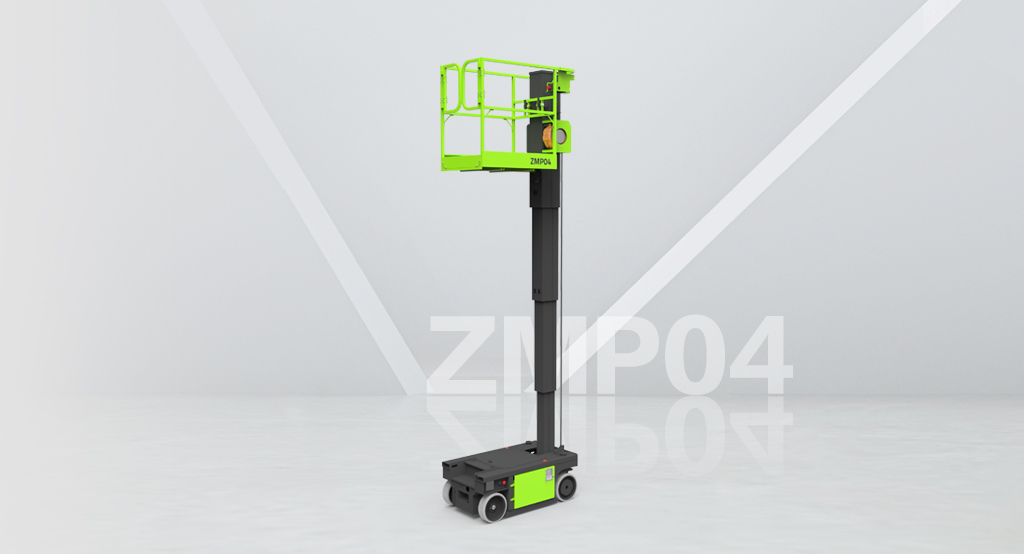
An elevated work platform fleet can become difficult to manage when every branch buys machines with different controls, dimensions, service requirements, and operating characteristics. Standardizing selected models can reduce variation and give fleet managers a common baseline while branches still choose machines suited to working heights, terrain, access routes, and project demands.
Build a Common Fleet Language
Multi-branch contractors often move equipment between regions. A common model structure makes communication easier because managers, operators, technicians, and procurement teams can use familiar specifications. Branches can refer to platform height, capacity, width, weight, drive system, and application category.
Standardization does not mean every branch needs an identical fleet. It means commonly repeated jobs can be assigned common machine classes. One branch may need compact electric access equipment for finished interiors, while another requires rough-terrain or crawler equipment. The goal is to reduce unnecessary variety without ignoring local site conditions.
Simplify Operator Familiarization
Different controls and operating characteristics can create an avoidable learning burden. IPAF notes that operators need familiarization when a MEWP is significantly different in weight, height, length, or operating characteristics from equipment on which they trained. Familiarization covers controls, safety features, limitations, warnings, and emergency procedures.
A standardized model used across several branches can make training materials easier to organize. Operators still need machine-specific familiarization, but recurring model families can reduce the number of different control layouts and procedures staff encounter when moving between projects.
Make Maintenance More Predictable
A fleet with fewer model variations can make maintenance planning more structured. Service teams can learn recurring inspection points, replacement procedures, diagnostics, and parts requirements. Stocking decisions can also focus on machines that appear most often across the fleet rather than a long list of unrelated components.
OSHA recommends pre-start inspections before each work shift for aerial lifts, including checks of controls, tires, batteries, brakes, hydraulic or electrical systems, and other manufacturer-specified components. A common machine population can support repeatable inspection workflows while each model’s documentation remains the controlling reference.
Improve Cross-Branch Equipment Allocation
Standardized machines can be easier to transfer between branches when project demand changes. A manager can identify a suitable model from a shared fleet list, check availability, and plan transportation using known dimensions and weights. This reduces the need to learn an unfamiliar machine before redeployment.
The same principle applies to replacement support. When branches use familiar model families, substitute equipment can be evaluated against a shared specification template. Working height, platform capacity, machine width, transport weight, and operating envelope remain useful reference points for determining whether another unit can perform the required task.
Control Procurement Complexity
Procurement teams benefit when specifications are standardized. Buyers can establish minimum requirements for recurring applications. These might include working height, capacity, indoor or outdoor use, turning requirements, ground conditions, power source, transport dimensions, and certifications.
A tracked scissor lift can be included as a defined fleet category where contractors regularly encounter soft, uneven, or changing terrain. It should not automatically replace wheeled scissors. A better approach is to document the jobs, ground conditions, access restrictions, and performance requirements that justify tracked equipment.
Use Application Classes Instead of One-Size-Fits-All Rules
HSE guidance on MEWPs emphasizes selecting, managing, and using the equipment according to the work and risks involved. This supports an application-based fleet strategy. Contractors can create categories such as indoor compact access, standard outdoor vertical access, rough-terrain access, and specialist tracked access.
Within each category, a small number of preferred models can cover common requirements. Branches can request exceptions when project conditions require them, preserving flexibility without creating entirely different inventories.
How Zoomlion Access Supports Standardized Fleet Categories
For contractors reviewing an elevated work platform portfolio, Zoomlion Access offers multiple MEWP categories that can be organized around recurring applications. Their range includes scissor lifts, articulating boom lifts, telescopic boom lifts, telehandlers, spider lifts, vertical mast lifts, vehicle-mounted boom lifts, and forklifts.
Their company overview states that they provide more than 100 MEWPs in five categories, while their equipment portal shows a broader portfolio. They report working heights from 6 m to 82 m and equipment supplied to more than 100 countries and regions.
Where a Tracked Scissor Lift Fits
Within the scissor lift range, Zoomlion Access lists crawler models alongside electric and rough-terrain configurations.
Their company overview identifies crawler scissors covering 5 m, 6 m, and 12 m work heights. This allows fleet planners to define tracked access according to required height instead of treating every machine as interchangeable.
For a contractor operating several branches, a tracked scissor lift can therefore occupy a clearly defined position in the shared equipment matrix. Branches can request the category when terrain or access conditions call for it, while standardized models in other categories handle conventional applications.
Standardization as a Practical Management Tool
The value of an elevated work platform fleet comes from repeatability: common specifications, training practices, inspection routines, service knowledge, and allocation processes. Contractors can still maintain regional flexibility by defining approved exceptions for unusual projects or operating environments.
For multi-branch businesses, Zoomlion Access can be evaluated as one source for building a structured portfolio. A tracked scissor lift may serve specialist terrain requirements, while other machine categories cover different heights, outreach needs, and site conditions. This supports a fleet strategy based on application and common standards.
