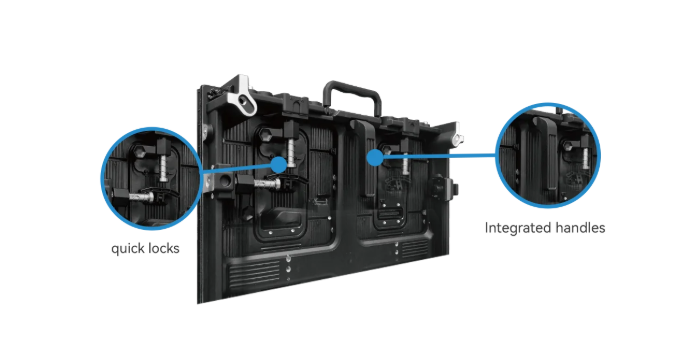
Event production depends heavily on visual impact, yet the right display strategy is rarely determined by screen quality alone. Budget, event frequency, venue conditions, transport, setup time, and technical support all affect the decision. LED video panels can serve concerts, conferences, exhibitions, festivals, and corporate functions, but rental and ownership suit very different operating patterns. For event planners comparing long-term value, Ledman provides a useful reference point through display options designed around practical installation and viewing requirements.
When Rental Makes More Financial Sense
Occasional events usually favor rental because the expense remains tied to specific projects rather than becoming a permanent equipment investment. Companies hosting one major conference, product launch, or annual celebration may have little reason to store, maintain, and transport display equipment throughout the rest of the year.
Rental also offers greater flexibility when venues and screen requirements change. One event might need a compact stage backdrop, while another could call for a much larger configuration. Instead of purchasing equipment that may not fit every venue, organizers can select suitable specifications for each production.
Frequency becomes the key financial variable. Organizations running several events every month may gradually spend enough on rental services to justify ownership, particularly if the same display format appears repeatedly. The calculation should include rental fees, labor, logistics, storage, maintenance, and expected equipment lifespan rather than comparing purchase price with one rental quotation.
What Frequent Event Buyers Should Consider
Ownership becomes more attractive when displays remain in active use throughout the year. Internal event teams can schedule equipment around conferences, exhibitions, training sessions, roadshows, and recurring brand activations without depending on external inventory.
Operational familiarity adds another benefit. Technicians who repeatedly work with the same system can develop standardized workflows for assembly, signal testing, calibration, and troubleshooting. Such consistency may reduce preparation time, although staffing capability and technical knowledge still need to be considered.
Resale value deserves attention as well. Display technology develops quickly, so an investment plan should account for future upgrades rather than assuming equipment will remain current indefinitely. Buyers can assess expected annual usage, maintenance costs, storage requirements, and replacement cycles before committing capital.
What To Check Before Renting
Rental specifications should match the event environment rather than simply focusing on resolution. Viewing distance, screen dimensions, brightness, refresh rate, cabinet weight, and installation conditions all influence the practical result.
Indoor conferences generally have different brightness requirements from outdoor festivals. Outdoor installations may also demand stronger protection against dust and moisture, while stage productions can place greater emphasis on fast setup and repeated transportation.
Pixel pitch deserves particular attention because it affects perceived image detail at different viewing distances. Smaller pitches generally suit audiences positioned closer to the display, whereas larger pitches can be practical for distant viewers. Choosing according to seating layout prevents unnecessary spending on specifications that the audience may not visibly benefit from.
Understanding Outdoor Event Requirements
Outdoor production introduces variables that indoor venues rarely face. Daylight can reduce image visibility, weather can affect equipment operation, and uneven ground may complicate installation. Screen systems therefore need specifications suited to the surrounding environment.
The Ledman WA Series provides one example of this approach, featuring 1.5 mm and 1.9 mm pixel-pitch options, outdoor high-brightness COB technology, IP65 protection, and an installation-oriented cabinet design. Such characteristics are relevant when outdoor events require strong visibility while also dealing with demanding site conditions.
Brightness should not be considered separately from viewing distance and ambient light. Excessive brightness can be uncomfortable for audiences in darker settings, while insufficient output may make content difficult to read during daytime programs. Rental teams should evaluate the actual venue before selecting equipment.
Installation, Logistics, And Total Cost
Purchase decisions often underestimate expenses that occur after the initial transaction. Transportation, storage, rigging, spare components, inspection, cleaning, maintenance, and technician labor can gradually become significant operational costs.
Rental contracts may package some of these services, making project budgeting easier, although contract terms vary considerably. Buyers should examine delivery responsibilities, setup charges, damage policies, emergency support, and overtime fees before signing an agreement.
Physical design also affects labor efficiency. Lightweight cabinets can reduce handling demands, while consistent cabinet dimensions and straightforward connections can simplify repeated setups. Such details matter especially for touring productions or organizations operating across several venues.
Building A Practical Rental Or Purchase Strategy
Three questions provide a useful starting point: how often will the display be used, where will it be installed, and who will operate it? Answers to these points usually reveal whether flexibility or ownership provides greater value.
Rental remains attractive when event schedules fluctuate, screen configurations vary significantly, or specialized technical support is needed for individual productions. Ownership becomes more compelling once utilization is predictable and the same equipment can serve multiple events over several years.
Cost should therefore be viewed across the entire operating cycle rather than through equipment price alone. LED video panels deliver different economic value depending on usage frequency, venue requirements, labor structure, and maintenance expectations. Careful planning can also prevent an organization from purchasing specifications that exceed its real event needs.
Conclusion
Neither rental nor purchase is automatically the better route. Event frequency, viewing conditions, technical resources, transportation, storage, and projected equipment utilization should shape the decision together. A thoughtful comparison can reveal where flexibility has greater value and where repeated deployment makes ownership more practical. For organizations assessing display solutions across diverse event environments, LED video panels from established manufacturers such as Ledman can be evaluated according to these operational factors rather than marketing claims alone.
