A blood pressure monitor is a valuable tool for managing cardiovascular health at home. Over time, however, even high-quality devices can lose accuracy due to wear and tear or battery degradation. Understanding the typical lifespan of home monitoring blood pressure machines and performing periodic checks ensures that readings remain reliable and useful for tracking trends over months and years.
Signs Your Monitor May Need Replacement
Home blood pressure machines can start to produce inconsistent readings if the cuff becomes worn, the sensors degrade, or the display malfunctions. Frequent low battery warnings, unusual readings that do not match clinical measurements, or physical damage to the cuff are indicators that it may be time to replace the device. Using an outdated or damaged blood pressure monitor can lead to inaccurate tracking and misinterpretation of your cardiovascular health.
Features of a Reliable Sinocare Monitor
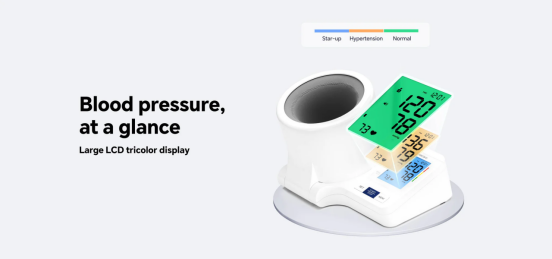
The Sinocare automatic upper arm blood pressure monitor is designed for durability and accuracy, supporting long-term use with proper care. It features fully automatic measurement, a large LCD display showing systolic pressure, diastolic pressure, and pulse rate, and an upper-arm cuff that fits standard adult arm sizes. The device is powered by batteries and includes a memory function for storing previous readings, helping users track trends over time. By choosing a dependable home monitoring blood pressure machine, users can rely on consistent and accurate results for many years.
Maintaining Accuracy for Long-Term Use
To maximize the lifespan of a blood pressure monitor, store it in a cool, dry place, handle the cuff gently, and replace batteries as needed. Periodically cross-check readings with a clinical device to ensure continued accuracy. Regular maintenance, combined with a reliable device like the Sinocare automatic upper arm blood pressure Monitor, allows home users to confidently monitor blood pressure and make informed decisions about lifestyle or medical care over the long term.
