Electric and hybrid vehicles depend on more than efficient batteries and powertrains. Thermal conditions influence batteries, motors, inverters, power electronics, and other components throughout vehicle operation. As electrified systems become more compact and powerful, controlling heat has become an important engineering consideration.
An electric hybrid system must manage heat across several interconnected components rather than relying on one cooling device. Thermal architecture can influence operating stability, component durability, energy efficiency, packaging, and maintenance. The Battery Show Asia provides a setting to examine these technologies together.
Why Thermal Management Matters in an Electric Hybrid System
An electric hybrid system creates different thermal loads as electrical and conventional power sources operate under changing conditions. Batteries generate heat during charging and discharge, while motors, inverters, and other power electronics also produce heat.
Thermal management therefore needs to consider the complete system. Temperature monitoring, heat transfer, cooling circuits, control strategies, and component placement all influence how effectively heat can be managed.
Vehicle manufacturers and system integrators should consider thermal architecture during system design rather than after major components have already been selected.
Battery Temperature Control Is a Core Requirement
Battery performance can be affected by operating temperature. A suitable thermal strategy must match the battery chemistry, application, operating conditions, and overall vehicle architecture.
The Battery Show Asia covers advanced battery products and technology, battery design and development, manufacturing and supply-chain technologies, equipment, testing, digitalization, and recycling. This broad scope allows engineering teams to examine battery technology alongside systems that affect practical performance.
Cooling hardware also influences packaging, as sensors, pipes, pumps, and heat exchangers must fit within available space.
Power Electronics Add Another Thermal Challenge
Inverters and motor controllers manage electrical power within electrified drivetrains, and their operation produces heat. Cooling is therefore important to maintaining reliable performance.
Mobility Tech Asia, co-located with The Battery Show Asia, includes electrification and powertrain systems. Its scope also covers power batteries, BMS, drive motors, motor controllers, inverters, and thermal management systems.
This combination matters because thermal requirements are closely linked to electrical architecture. Changes in power output, component placement, or control strategy can affect the cooling design of the complete system.
Thermal Management Supports System Integration
A thermal system needs to work with vehicle controls. Sensors provide temperature information, while battery management and vehicle control systems can use that data to adjust operating conditions.
An integrated approach can prevent one component from creating thermal limitations for another and simplify system monitoring.
When batteries, motors, inverters, cooling equipment, and control systems come from different suppliers, interface compatibility must be considered alongside individual specifications.
What Manufacturers Should Evaluate at a Battery Summit
A battery summit can provide greater value when technical teams arrive with defined evaluation criteria. Cooling technologies should be assessed not only by headline performance, but also by integration requirements, operating conditions, controls, installation space, maintenance, and supplier engineering capabilities.
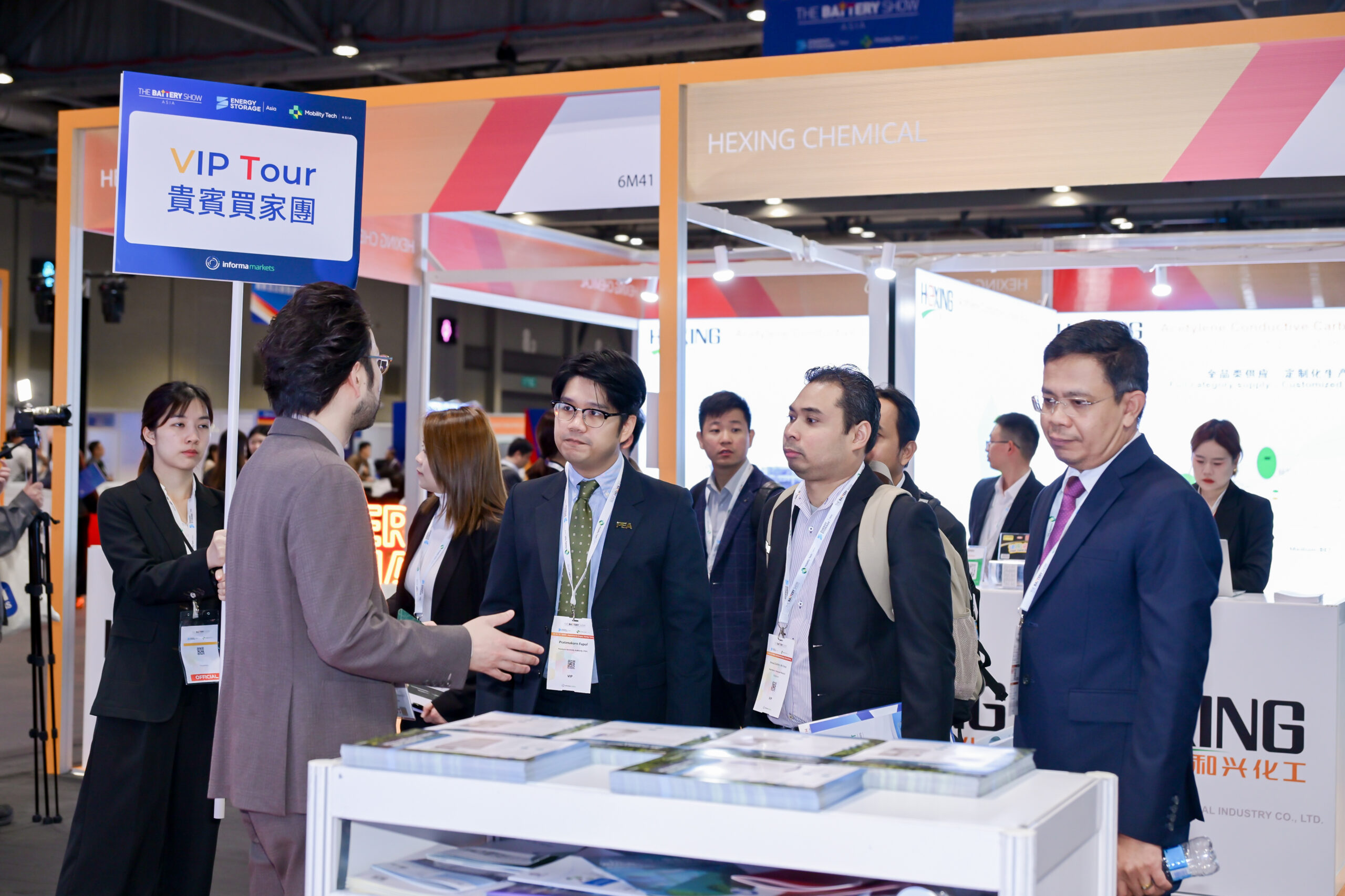
The Battery Show Asia brings together companies across battery manufacturing, energy storage, power and energy, and new-energy mobility. Its 2026 edition featured more than 200 exhibitors showcasing over 1,000 technologies and products.
This cross-industry environment helps manufacturers compare solutions and identify suitable suppliers.
Thermal Management and Vehicle Efficiency
Thermal systems consume energy and occupy space, so their design must balance cooling performance with overall vehicle efficiency. Pumps, fans, coolant circulation, and control strategies can influence auxiliary energy consumption.
The objective is to maintain suitable operating conditions without adding unnecessary energy use or system complexity.
This balance becomes particularly relevant in hybrid applications, where battery, electric motor, and combustion components can operate under different loads.
Safety Requires Consistent Thermal Conditions
Thermal management also has a close relationship with safety. Abnormal temperatures can indicate conditions requiring monitoring or intervention, making accurate sensing and control important to the overall architecture.
The Battery Show Asia includes battery performance and safety testing, testing and certification, thermal management, and digital technologies within its wider industry scope.
System-level testing remains important because actual vehicle operation can create interactions between temperature, electrical load, control logic, and mechanical design that are not fully represented by individual component testing.
Industry Collaboration Can Improve Thermal Solutions
Thermal challenges often require cooperation between battery manufacturers, vehicle companies, powertrain developers, electronics suppliers, and cooling specialists.
The Battery Show Asia is co-located with Energy Storage Asia and Mobility Tech Asia, creating cross-sector opportunities to exchange technical knowledge and identify potential partners across the energy and mobility value chain.
This environment helps engineering teams compare thermal approaches across electrified applications.
The Battery Show Asia Connects Battery and Mobility Technologies
The Battery Show Asia covers battery technology, energy storage, power and energy, and new-energy mobility. Its exhibition categories include advanced batteries, battery design, manufacturing, equipment and testing, while the co-located mobility program covers electrification, powertrain systems, charging infrastructure, smart systems, software, and new-energy mobility.
Its 2026 edition attracted 15,367 professional buyers from 103 countries and regions, with international buyers representing 62.1% of attendees.
For companies evaluating thermal technologies, this combination of technical and commercial participation can make supplier discovery more efficient.
Preparing for the Next Stage of Hybrid Systems
The thermal architecture of an electric hybrid system will become increasingly important as vehicles incorporate greater power density, more electronics, and more sophisticated controls. Battery temperature, power electronics cooling, motor heat, sensing, and control need to be considered together.
A technical battery summit can help industry professionals track these developments while comparing technologies and discussing integration challenges.
The next edition of The Battery Show Asia is scheduled for July 14–16, 2027, at AsiaWorld-Expo in Hong Kong, alongside Energy Storage & Power Asia and Mobility Tech Asia.
Thermal management is ultimately part of the wider system architecture. As hybrid platforms become more integrated, thermal design will remain closely connected to performance, reliability, efficiency, and practical vehicle engineering.
