Purchasing professional equipment involves much more than comparing prices or counting available functions. Clinics must consider treatment demand, operating flexibility, practitioner training, maintenance, and how well each device fits the services already offered.
Aesthetic medical equipment can represent a substantial investment, so procurement decisions benefit from a structured review of clinical requirements and technical specifications. With its portfolio of professional aesthetic products, ENZOEYS provides one example of how buyers can examine equipment capabilities against practical treatment needs rather than relying on promotional claims alone.
Start With Clinical Needs
Every clinic has a different treatment mix, which makes the intended application an important starting point. Hair removal practices may prioritize diode laser parameters, while facilities focused on pigmentation or tattoo-related procedures may need different wavelengths and delivery options. The equipment should correspond to treatments that practitioners regularly perform or realistically plan to introduce.
Patient volume also affects purchasing decisions. High-throughput clinics may place greater emphasis on operating efficiency, treatment area coverage, interface usability, and cooling arrangements. Smaller practices might give greater weight to versatility and physical footprint because one device may need to support several services.
A useful assessment begins with the treatment menu rather than the equipment catalogue. Once the main applications have been identified, buyers can compare relevant specifications, training requirements, maintenance arrangements, and expected utilization. This approach narrows the field while keeping the procurement process connected to actual clinical work.
Examine Core Specifications
Specifications provide more useful information than broad descriptions of performance. Depending on the treatment category, buyers may need to examine wavelength, output power, spot size, pulse parameters, operating modes, applicators, cooling, and adjustment options. Each specification should be considered in relation to the intended application.
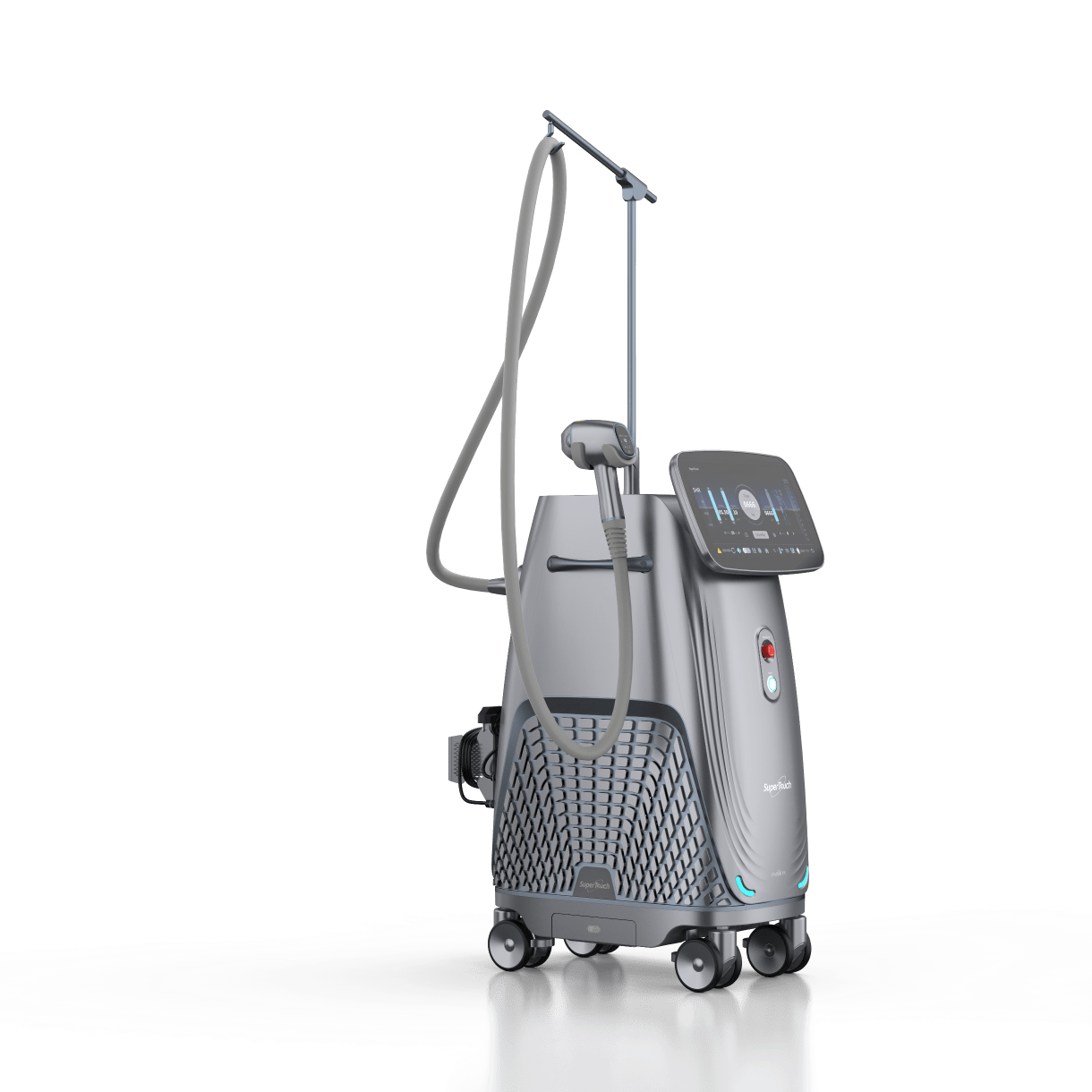
The SuperTouch S500 from ENZOEYS illustrates this principle. Its published specifications identify a 1500W diode laser, three wavelength light sources, four changeable spot sizes, and separate hair-removal and skin-rejuvenation modes. The interface supports both horizontal and vertical UI selection, giving operators different ways to interact with the device. These details provide concrete points for evaluating whether the equipment matches a clinic’s workflow.
Not every listed feature carries equal importance for every practice. Multiple spot sizes may matter greatly for clinics treating different body areas, whereas another buyer may place more emphasis on treatment modes or operator controls. Reviewing specifications through the lens of daily use makes technical comparisons more meaningful.
Compare Flexibility and Workflow
Modern clinics often provide several aesthetic services within the same location. Medical aesthetics equipment with useful application flexibility can help practices accommodate varying treatment demands, although multifunction capability should always be assessed alongside operating complexity and staff expertise.
Treatment versatility can influence room utilization as well. Equipment capable of supporting more than one established service may reduce the need to dedicate separate spaces to narrowly defined procedures. Yet versatility only has practical value if the available functions correspond to genuine patient demand.
Interface design deserves attention during demonstrations. Operators interact with controls repeatedly throughout the working day, so parameter adjustment, mode selection, and visual organization can affect workflow. Buyers should examine how easily practitioners can understand and operate the available functions rather than judging usability from specifications alone.
Assess Installation, Training, and Service Requirements
Installation planning should begin before the equipment arrives. Clinics need to confirm room dimensions, power supply, cooling, and floor loading requirements. Some devices may require dedicated circuits or ventilation, and these details can affect where the equipment is placed and how soon it can be used.
Operator training is equally practical. Staff should understand parameter settings, mode selection, safety procedures, and routine maintenance tasks. ENZOEYS provides online training and technical support, which can help clinics prepare practitioners before the first treatment session. Buyers should ask what training materials, sessions, and follow-up support are included.
Service arrangements deserve clear documentation. Warranty terms, spare-part availability, response times, and the process for reporting technical issues should be confirmed before purchase. A clinic that knows how service requests are handled can plan downtime and avoid unexpected delays. These operational details often matter as much as the hardware specifications themselves.
Consider Long-Term Value
Initial price offers only one perspective on equipment value. A broader assessment can include expected treatment volume, service range, staff training, maintenance needs, usable features, and how well the device fits future clinic plans. Such considerations are particularly relevant where equipment represents a major capital purchase.
Aesthetic medical equipment should be assessed according to measurable specifications and realistic clinical requirements rather than the number of features listed in promotional material. Buyers can request technical documentation, compare applicable parameters, and discuss treatment scenarios with qualified representatives. A demonstration may also reveal practical details that are difficult to judge from a product page.
The second look at the S500 highlights why model-level information matters. Its combination of three wavelengths, four interchangeable spot sizes, and dedicated hair-removal and skin-rejuvenation modes gives purchasers specific characteristics to examine rather than relying on a general multifunction claim. The relevance of those features depends on the services, practitioner expertise, and patient needs of the individual clinic.
Conclusion
Sound equipment procurement begins with the clinic’s treatment priorities and develops through careful examination of specifications, usability, support, and long-term operating considerations. Medical aesthetics equipment should make sense within the actual workflow, not merely appear attractive on a specification sheet.
Clear documentation and realistic application planning can help procurement teams distinguish useful capabilities from features that may see little clinical use. Viewed through those criteria, ENZOEYS offers professional equipment information that can be assessed on tangible parameters, allowing clinics to form their own procurement decisions from documented specifications and operational needs.
