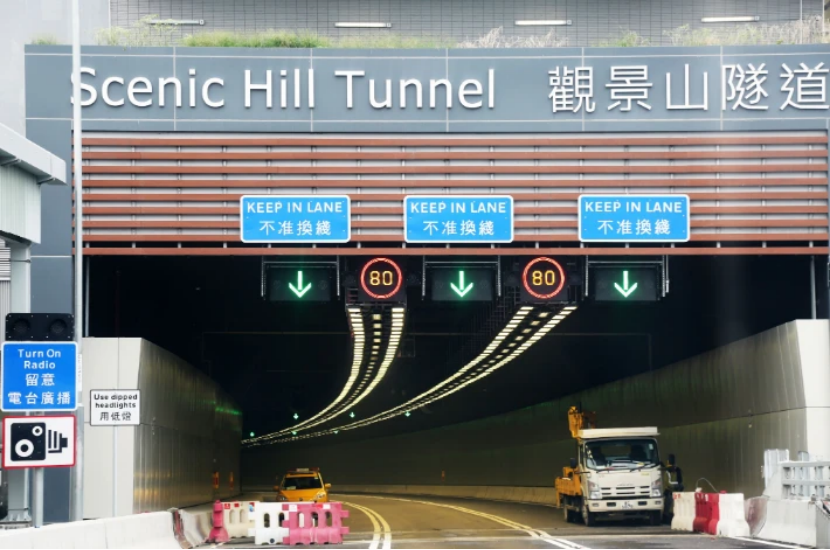
In smart traffic systems, variable message signs (VMS signs) are essential tools for communicating real-time information to drivers on highways. Unlike static signs, these dynamic displays adjust messages based on traffic conditions, weather alerts, and incident responses, helping to improve overall traffic flow and road safety. Clear optical performance is a critical aspect of VMS technology, ensuring that information is visible and legible under diverse lighting conditions and at varying distances.
What Defines Optical Performance Standards
Optical performance standards for VMS signs are established to guarantee consistent visibility, contrast, and readability. Compliance with international benchmarks such as EN12966 matters because it ensures that signs maintain high luminance and appropriate beam distribution so messages remain easy to read both during bright daylight and at night. Optical systems must also minimize glare while offering enough brightness for drivers to interpret messages safely at highway speeds.
Luminance and Contrast
One of the core measures of optical performance is luminance, which refers to how bright the display appears. VMS signs designed to meet optical standards are capable of delivering high luminance so that messages stand out even in direct sunlight or when viewed from different angles. Proper contrast between text and background further enhances clarity.
Beam Distribution and Anti-Glare Features
Quality optical design ensures that light is not wasted or scattered where it’s not useful, a factor that improves readability. Precise beam distribution allows symbols and messages to be directed toward the driver’s eye level, reducing visual fatigue. Anti-glare properties also play a key role by preventing excessive brightness from disturbing drivers, especially at night.
Chainzone‘s Approach to Optical Excellence
Chainzone integrates advanced LED and lens technologies to meet stringent optical standards for VMS signs in highway smart traffic systems. Their variable message signs incorporate high-performance optical assemblies that satisfy EN12966 requirements, ensuring clear communication under challenging road conditions. These optical solutions support a wide range of pixel pitches and brightness levels to adapt to specific highway environments, helping traffic authorities deliver timely, readable information.
Conclusion
Optical performance standards are foundational to the effectiveness of highway VMS signs in smart traffic management. High luminance, controlled beam distribution, and compliance with established standards like EN12966 ensure that messages are clearly visible and readable in all driving scenarios. With these optical benchmarks in place, solutions like those from Chainzone help support safer, more efficient movement on modern roads.
