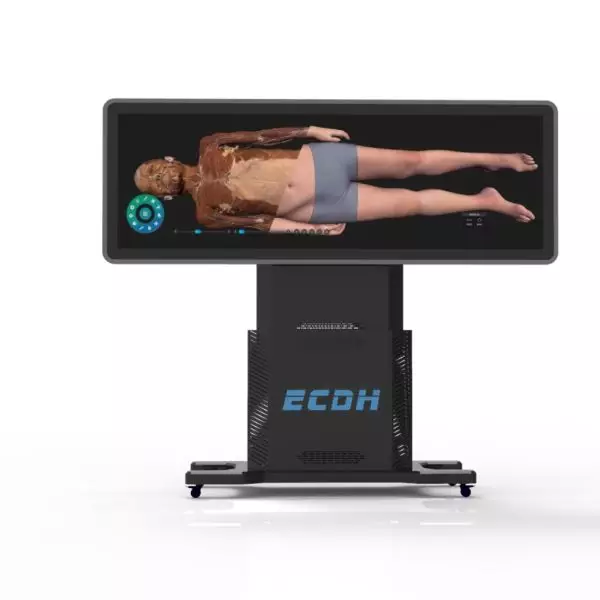
The advent of the virtual dissection table has reshaped the landscape of medical education, offering an innovative alternative to traditional methods of anatomical study. With advancements in technology, institutions are moving towards more immersive experiences that enhance comprehension and foster engagement. Among the key players in this domain is DIGIHUMAN, a brand dedicated to providing state-of-the-art digital anatomy systems that elevate learning through interactivity and realism.
Enhanced Learning Through 3D Anatomical Exploration
One of the primary features of a virtual dissection table is its ability to provide high-resolution, three-dimensional anatomical models. These models allow users to interactively explore the complexities of human anatomy without the limitations posed by physical cadavers. Students can zoom in, rotate, and virtually dissect layers of anatomy, offering a detailed view of the spatial relationships between bones, muscles, nerves, and vascular systems. DIGIHUMAN enhances this experience by integrating realistic animations and dissection videos, allowing learners to visualize anatomical processes dynamically.
Ethical and Financial Advantages
Utilizing a virtual dissection table eliminates ethical concerns associated with cadaver use while also avoiding the exposure to hazardous preservatives like formaldehyde. Institutions can significantly reduce the long-term costs associated with cadaver procurement, storage, and disposal by incorporating solutions from DIGIHUMAN. This approach not only makes anatomical education more accessible but also reflects a commitment to ethical standards in medical training.
Compatibility and Functionality
The DIGIHUMAN anatomy system stands out for its compatibility with a wide range of devices, including tablets, computers, and smartphones. This compatibility enhances the user experience by enabling flexible learning environments. The platform also includes a vast library of over 1,700 CT and MRI images, offering comprehensive data that supports effective knowledge retention and consolidation.
Conclusion
In summary, embracing a virtual dissection table such as the one offered by DIGIHUMAN represents a significant step forward in medical education. With its focus on interactivity, ethical practices, and engaging learning experiences, it not only enriches the educational landscape for medical students but also prepares them for a future where technology plays a crucial role in healthcare. The integration of such sophisticated tools signifies a commitment to enhancing educational quality and fostering the next generation of medical professionals.
